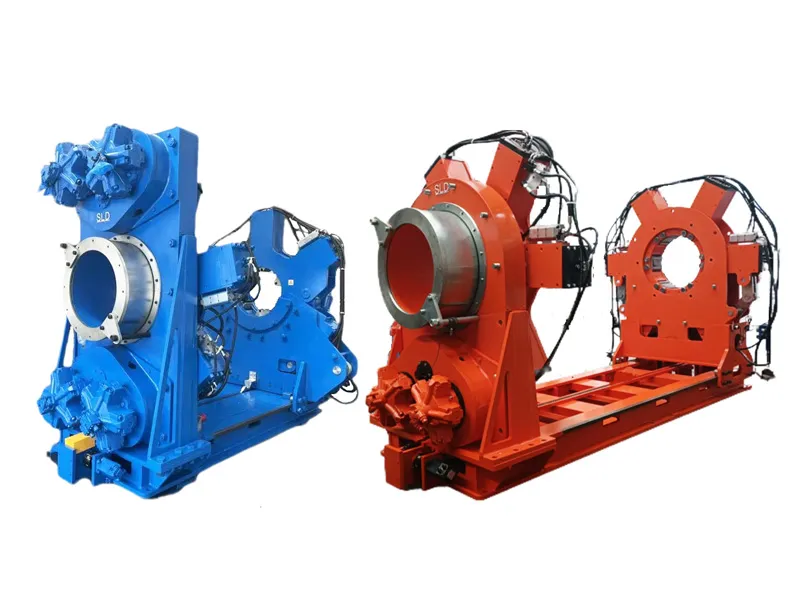
Shenlida is committed to providing global customers with environmentally friendly and intelligent petroleum machinery solutions.
Company profile
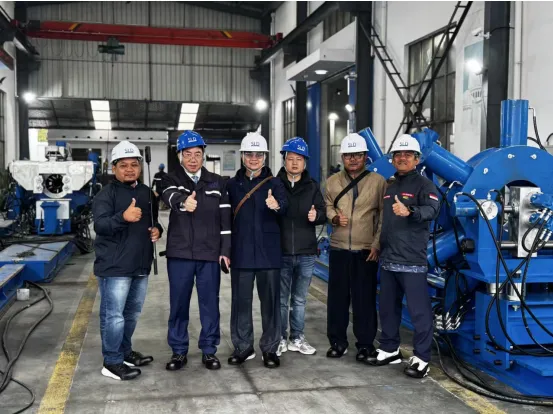
Jiangsu Shenlida Machinery Manufacturing Co., Ltd. was founded in 2002 and is located at No. 46, Jianyang Industrial Central Zone, Jianhu County, Yancheng City, Jiangsu Province. It focuses on and deeply explores the petroleum machinery field.
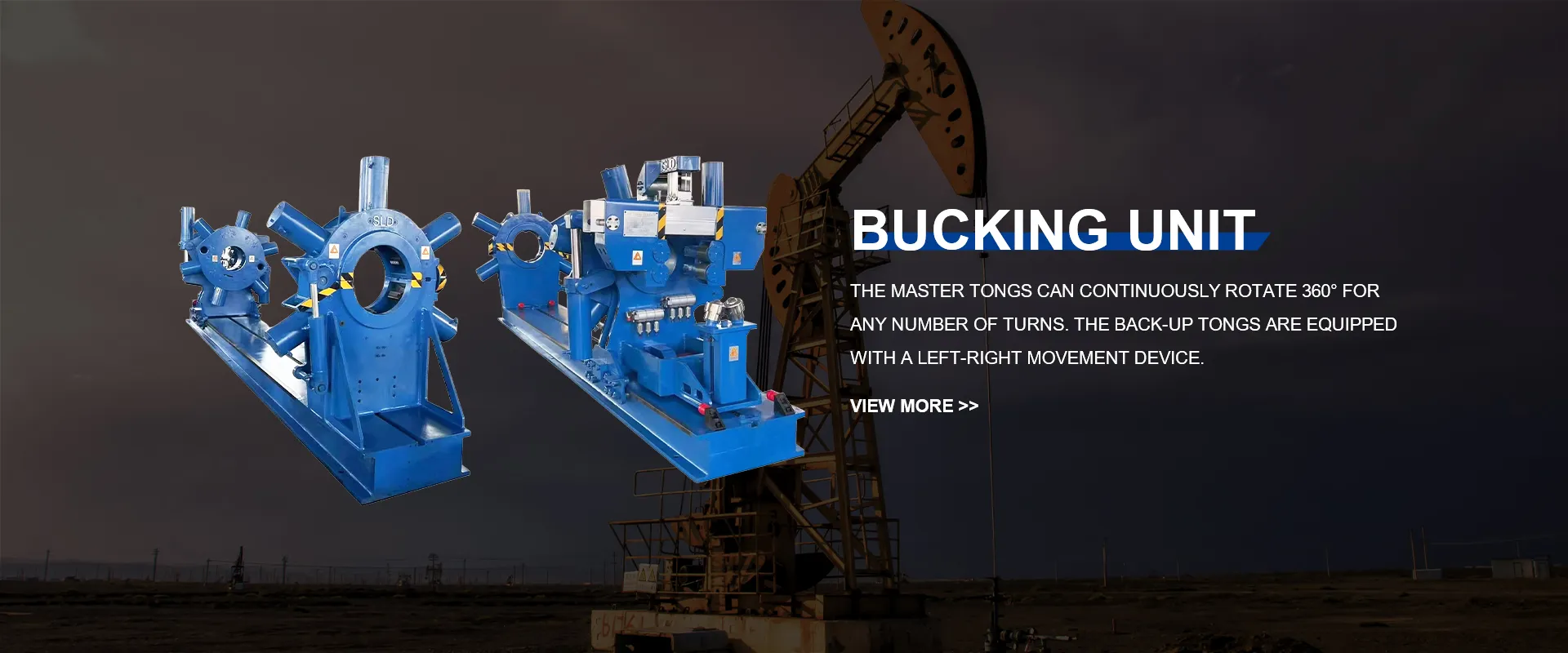
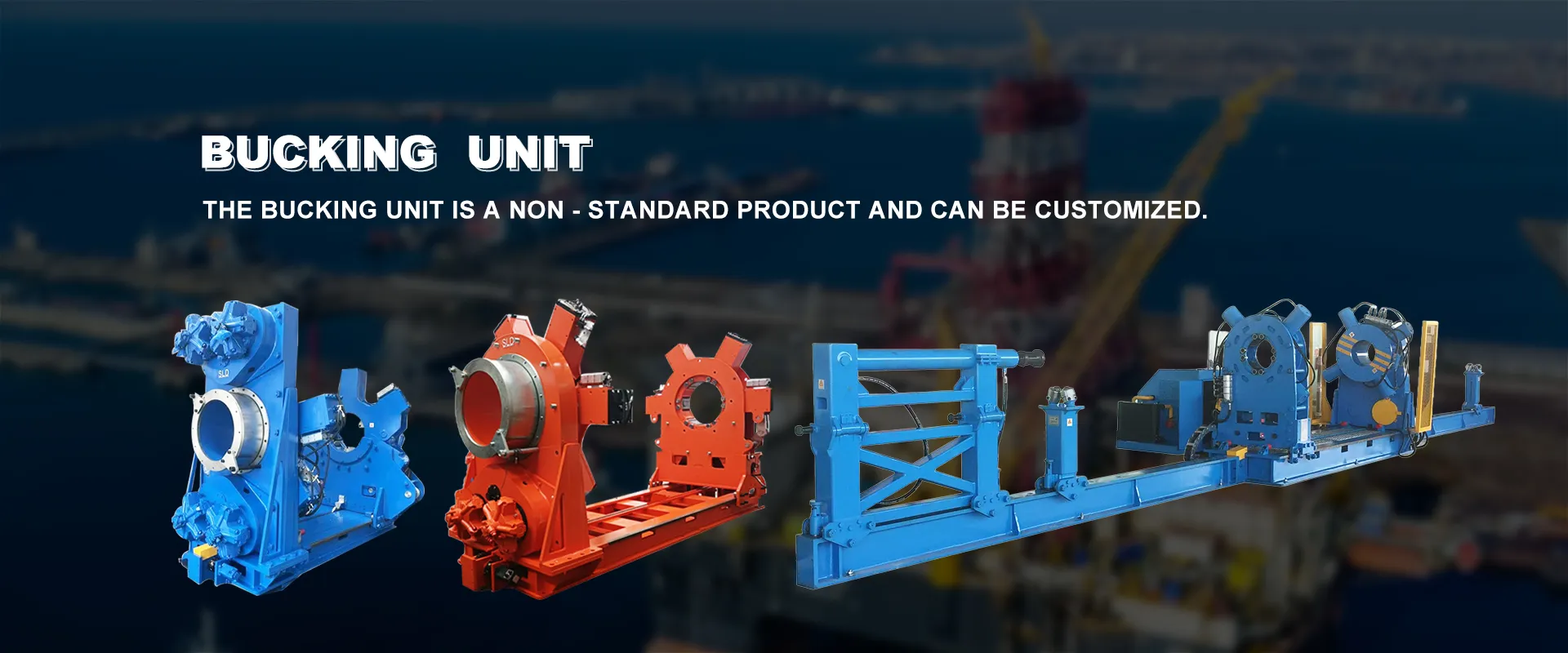
The company has the independent right to import and export, and its products sell well both at home and abroad. The SLD bucking unit has been recognized and used by the world's three major oilfield service companies---Schlumberger, Baker Hughes, Weatherford company.
IN 2002
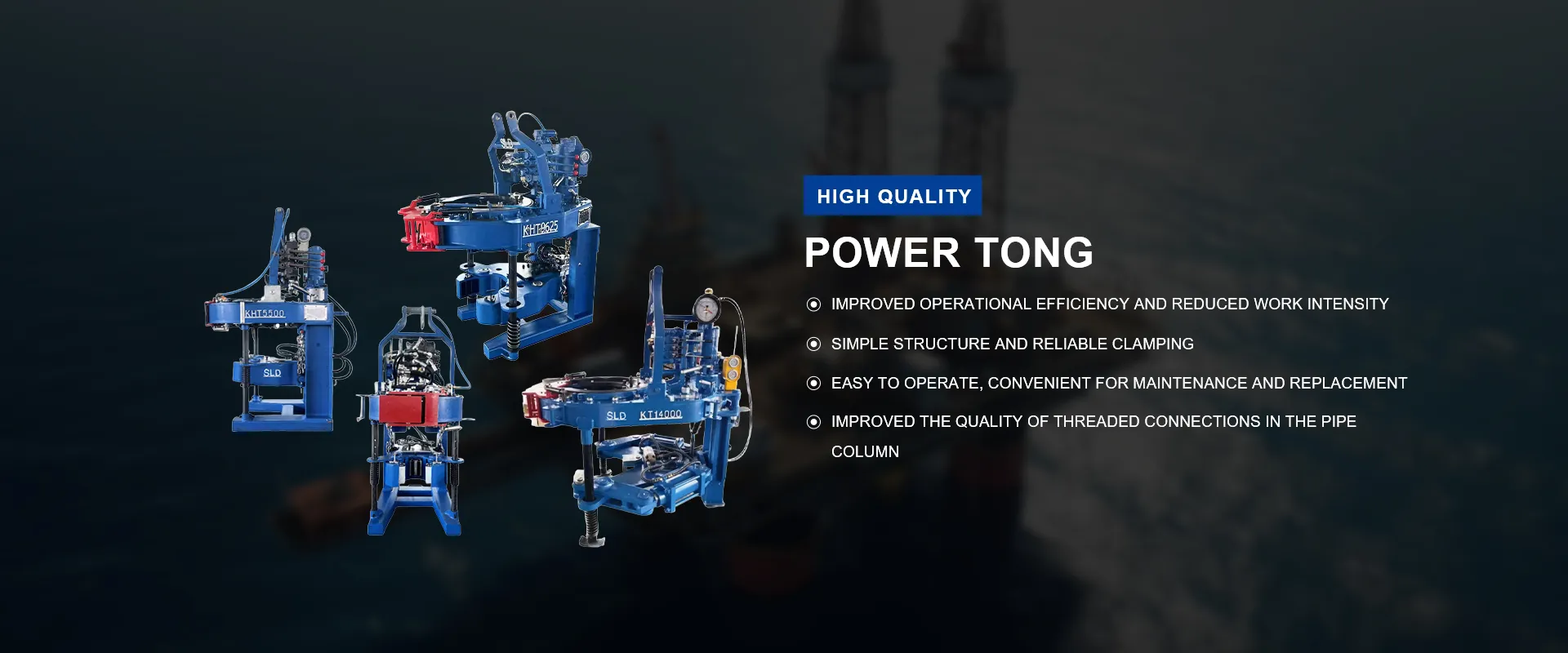
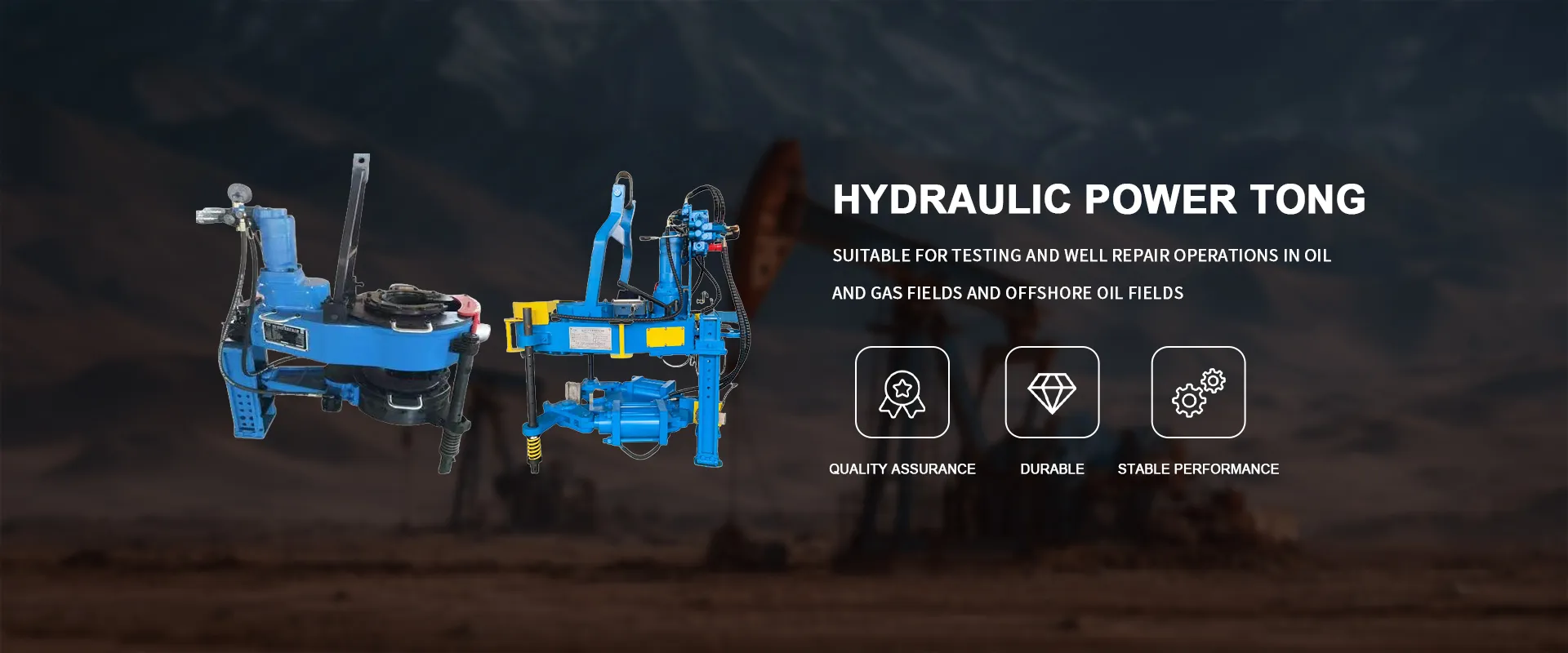
The company's products cover petroleum drilling and production equipment, as well as automation equipment for drilling and well repair operations
Source Manufacturer
The company was founded in 2002 and has focused on and deeply explored the field of petroleum machinery

Strong and Solid
The company has the independent right to import and export, and its products sell well both at home and abroad.
Technical Support
It has set up a petroleum machinery research department and obtained 12 national invention patents.
After-Sales Service
We provide comprehensive and thoughtful services. Ensure customer satisfaction and establish a good corporate reputation.
11-12-2025
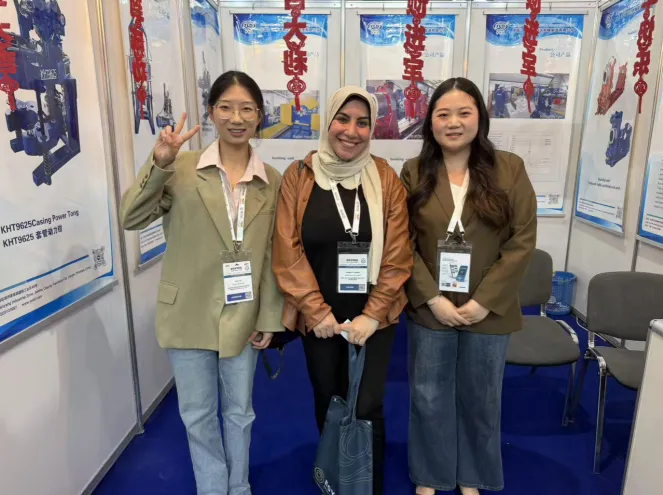
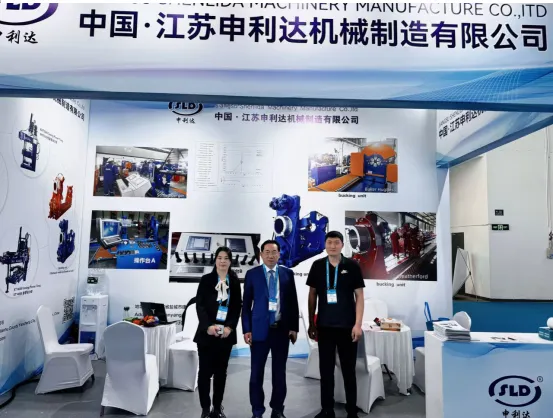
Jiangsu Shenlida Machinery Manufacturing Co., Ltd. made its debut at the Abu Dhabi Petroleum Exhibition
Recently, the Abu Dhabi International Petroleum Expo (ADIPEC) came to a successful conclusion. Jiangsu Shenlida Machinery Manufacturing Co., Ltd. showcased its core oil and gas equipment products such as screw fasteners, disassembly frames, and power pliers, demonstrating the hard core strength and professional service capabilities of "Shenlida Manufacturing" to global customers. It also conducted in-depth exchanges with overseas customers, held closed door negotiations with more than 30 target customers and partners, reached procurement intentions with 12 Middle Eastern oil and gas developers, and signed regional agency cooperation memorandums with more than 100 distributors in North America, Africa, and other regions. The United Arab Emirates, as an important oil and gas resource country in the Middle East, provides a strategic pivot for the company's overseas layout due to its stable business environment and advantageous location radiating to the Middle East and Africa. This exhibition not only enhances the brand influence of Jiangsu Shenlida in the Middle East market, accurately reaches target customers in the Middle East, and effectively promotes core products such as screw fasteners, disassembly racks, and power pliers to go global, but also accelerates the technological innovation and iterative upgrading of related products through in-depth exchanges with global peers on the trends of intelligence and low-carbon technology.Jiangsu Shenlida's participation in this exhibition is an important member of the domestic oil and gas equipment industry cluster exhibition group. Its core products, such as screw fasteners, disassembly racks, and power pliers, have become key recommended categories by the exhibition group due to their adaptation to the high-intensity operational needs of the Middle East oil and gas extraction scene. Jiangsu Shenlida's twisting machines, power pliers, and other products have become key negotiation targets for overseas customers due to their stable adaptability to working conditions.
LEARN MORE>08-12-2025
What preparations are needed before using the Bucking Unit?
Preparing the Bucking Unit (screwdriver) before use is crucial for ensuring safe and efficient operation. Thorough preparation not only prevents equipment failures and accidents, but also ensures the safety of operators and improves overall efficiency. The following details the necessary preparatory work for the Bucking Unit, covering four aspects: equipment inspection, operating environment, personnel preparation, and related procedures.1. Equipment InspectionAppearance and Mechanical InspectionBefore operation, carefully inspect the Bucking Unit's mechanical structure to ensure there are no obvious deformations, cracks, or loose parts. Specifically, check the jaws, clamping mechanism, spindle, and drive system for integrity. Ensure lubricated areas are adequately lubricated to prevent wear caused by dry friction.Hydraulic System InspectionThe hydraulic system is the primary power source for the Bucking Unit. Ensure the hydraulic oil level is normal and clean. Inspect the hydraulic oil tank, pipe connections, and joints for leaks. Ensure the filter element is clean and unobstructed, and that the hydraulic pump is running smoothly and without abnormal noise.Electrical Control System InspectionConfirm that the control cabinet and operating panel are intact and that all indicators and displays are functioning properly. Check that the emergency stop button is responsive and effective. Cable terminals must be secure and not loose to prevent electrical failures during operation.Safety Device InspectionConfirm that the equipment's protective devices, such as limit switches, protective covers, and safety fences, are intact and effective. Ensure that all safety devices are functioning properly and can quickly stop the equipment in an emergency.2. Work Environment PreparationSite Cleanliness and SafetyEnsure that the Bucking Unit installation site is flat and solid, free of accumulated water, oil, and debris to prevent slips and equipment instability. The work area should be demarcated with safety zones and warning signs to prohibit non-operating personnel from entering.Lighting and VentilationEnsure adequate lighting at the work site to facilitate observation of equipment operating conditions. Good ventilation helps remove oil vapor and dust, reduce fire hazards, and protect the health of operators.Preparing Auxiliary EquipmentCheck that the lifting equipment, handling tools, and support devices are in good condition and capable of meeting operational requirements. Arrange the work area appropriately to facilitate the flow of materials and personnel.3. Personnel PreparationOperator QualificationsOperators operating the Bucking Unit must undergo systematic training, be familiar with the equipment's performance, operating procedures, and safety regulations, and hold the appropriate operator's certificate. Untrained personnel are prohibited from operating the equipment.Personal Protective EquipmentOperators must wear a hard hat, protective gloves, protective shoes, and work clothes. Goggles and earmuffs, if necessary, should be worn to protect against mechanical splash and noise.Clear Job ResponsibilitiesThe operation team must clearly define their duties and designate specific individuals responsible for equipment operation, auxiliary handling, and safety monitoring to ensure coordination and enhance operational efficiency and safety.Safety Education and Emergency DrillsRegular safety training and emergency drills should be conducted to enhance operators' ability to respond to emergencies. Operators must be familiar with the emergency stop device and accident handling procedures.4. Pre-Operation Procedure VerificationPre-Startup Self-TestAccording to the equipment manual, operators must perform a pre-startup self-test, including a hydraulic pressure test, an electrical system self-test, and a mechanical operation test. The equipment may only be started after confirming that there are no abnormalities.Workpiece VerificationVerify that the specifications of the drill pipe, tubing, or casing to be connected match the equipment specifications to ensure proper functioning of the clamping device. Verify that the workpiece surface is free of oil, rust, and damage.Torque Parameter SettingSet the torque parameters of the Bucking Unit according to operational requirements and technical specifications to avoid connection quality issues or equipment damage caused by incorrect parameter settings.Communication and CoordinationOperators must maintain clear communication with other on-site personnel and clearly communicate command signals to avoid safety hazards caused by misoperation and cross-operation.SummaryPreparatory work before using the Bucking Unit includes equipment inspection, environmental setup, personnel allocation, and operational procedures. Each step requires meticulous attention and strict adherence to relevant standards and procedures to ensure that the equipment is in good condition, the operating environment is safe, personnel are qualified, and the operational process is scientific and rational. Only in this way can equipment failure rates and the probability of safety accidents be effectively reduced, ensuring the smooth progress of drilling operations.
LEARN MORE >08-09-2025
How should I replace worn parts of the Bucking Unit?
Bucking units are critical equipment in drilling operations, and their parts inevitably wear out under long-term, high-load, and high-frequency operating conditions. Part wear not only affects the proper operation of the equipment but can also degrade connection quality and even cause safety incidents. Therefore, scientific and rational replacement of worn parts is crucial to maintaining the performance and operational safety of the bucking unit. The following details the replacement procedures and precautions for worn bucking unit parts.1. Identification and Determination of Worn PartsBefore replacement, it is important to accurately identify and determine which parts are worn and require replacement. Common worn parts include jaw gaskets, hydraulic cylinder seals, oil seals, bearings, guide rails, and fasteners.Visual Inspection: Observe the surface of the parts for obvious scratches, cracks, deformation, or defects.Functional Testing: Problems such as sluggish operation, weakened clamping force, and hydraulic leakage during operation often indicate severe wear of the relevant parts.Dimensional Measurement: Measure the dimensions of key parts using specialized tools to determine whether they exceed the wear limits specified by the manufacturer or industry. Lubrication: Check the lubricating oil for metal shavings or unusual contaminants. If present, this may indicate increased wear on internal parts.After identifying worn parts, a replacement plan should be developed promptly to prevent further damage.2. Preparatory Work Before ReplacementShutdown and Power OffEnsure the Bucking Unit is completely stopped. Disconnect the hydraulic system power and electrical control power to prevent accidental startup.Clean the Work EnvironmentRemove oil and dust from the equipment surface. Keep the work environment clean and tidy to facilitate observation and subsequent operations.Tool and Spare PartsPrepare required specialized disassembly and assembly tools, screwdrivers, wrenches, etc., and ensure that replacement parts are from legitimate sources and of the correct model.Technical Data ReviewRefer to the equipment manual or service manual for disassembly and assembly procedures, precautions, and torque specifications.3. Disassembly Procedures for Wear PartsDepressurization and Oil DrainingBefore replacing hydraulic system parts, release system pressure to prevent hydraulic fluid from spraying out and injuring personnel. Drain the hydraulic fluid completely if necessary to prevent environmental contamination.Removing External AccessoriesFirst, remove external connectors associated with the worn parts, such as pipe joints, mounting bolts, and protective covers. Disassembling Main PartsAccording to the maintenance manual, use specialized tools to remove worn parts. Handle with care to avoid secondary damage to surrounding parts.Inspecting Removed PartsPerform a detailed inspection of the removed parts to determine the wear condition and cause, which will guide subsequent repair or replacement.4. Installation Procedure for New PartsCleaning the Installation AreaBefore installation, thoroughly clean the part mounting seat and related mating surfaces to ensure they are free of oil, impurities, and rust.Inspecting the Condition of New PartsConfirm that the new parts are intact and of the correct specifications and model. Apply any necessary lubrication, such as rust-proof oil or grease.Precise Installation and PositioningAccording to the drawings or technical specifications, accurately position the parts to avoid eccentricity or misalignment.Tightening Bolts and ConnectorsTighten the relevant bolts gradually and evenly according to the manufacturer's specified torque standards to ensure a secure connection without deformation.Installing Hydraulic SealsSeals, oil seals, etc. should be installed gently to avoid scratching or stretching. Use specialized installation tools if necessary.Replacing Disassembled AccessoriesRestore removed piping, protective covers, etc. to ensure the structural integrity of the equipment.5. Post-Replacement Inspection and CommissioningCheck SealingStart the hydraulic system and inspect the replaced parts for oil leaks or seepage.Functional TestPerform no-load and loaded test runs to verify smooth operation and normal clamping force.Check Operating ParametersMonitor key parameters such as oil pressure, temperature, and torque to ensure they are within normal ranges.Observe for Abnormal Sound and VibrationAfter replacement, there should be no abnormal noise or vibration. If any abnormality is detected, shut down the machine for inspection immediately.6. Precautions for Replacing Worn PartsSelect Qualified PartsPurchased parts must meet equipment specifications. Avoid using inferior or incompatible substitutes.Take Protective MeasuresWear protective gear during disassembly and installation to prevent oil splashing and mechanical damage.Record Maintenance InformationDetailed records of part replacement time, specifications, reasons, and operating status will facilitate equipment management and lifespan assessment.Avoid Reusing SealsOnce removed, seals should not be reused to ensure effective sealing.Environmental ProtectionDisposal of waste oil and used parts must comply with environmental regulations to prevent contamination.SummaryBucking unit part wear is an inevitable part of normal equipment operation. However, through scientific identification, standardized disassembly and assembly, replacement of high-quality parts, and rigorous commissioning and testing, equipment performance can be maximized and service life extended. A well-planned parts replacement cycle, combined with routine maintenance and management, can effectively reduce failure rates and ensure the continuity and safety of drilling operations. While replacing worn parts is a tedious task, each meticulous step is fundamental to ensuring stable equipment operation and must not be neglected.
LEARN MORE >